
Provenance verification
Ownership chains and authenticity papers kept with the inventory so a gap is visible before an estate or a sale.
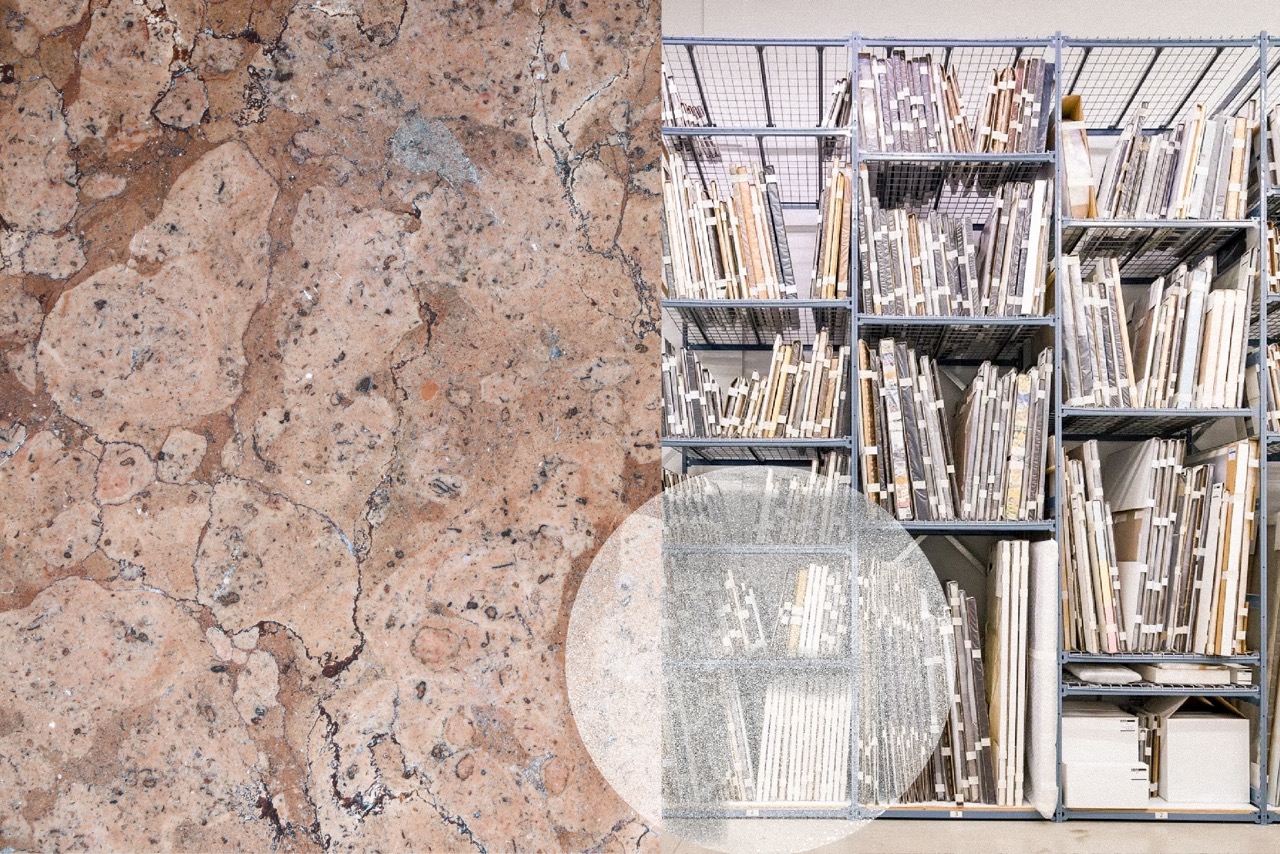
How provenance is documented
We gather invoices, exhibition histories, prior ownership notes, and condition reports so an object can be described without relying on memory. Gaps stay visible. They are not filled with guesses.
What we ask for first
Purchase records, old catalogues, restoration notes, and any letter that names a prior holder. If a document is missing, the file should say so rather than imply a clean chain.
How the chain is built
Each document is dated and tied to an object, not dropped in a folder named miscellaneous. A later reader should be able to see what is known and what is still open.
Authentication is a specialist
When an object needs a committee, a foundation, or a category expert, we coordinate that work. We do not issue certificates ourselves, and we do not promise a result from the review.
What the file can support
Insurance, estate transfers, and acquisition advisory all read better when provenance is in one place. A dealer invoice alone is rarely the whole story.
What we will not invent
If a decade is blank, the file says the decade is blank. Completing a chain with a plausible story is not stewardship.
After the packet exists
The packet sits next to appraisals and the insurance schedule so a later reader is not reconstructing ownership from email. Updates happen when an object is acquired, sold, or lent.
Estate and gift
Counsel will ask how an object entered the family. The answer should already be in the file, with the document that supports it, not in a recollection gathered after someone has died.
What you leave with
A dated chain
Documents ordered by object and date, with gaps marked instead of smoothed over.
Named specialists
Category experts engaged when an object needs more than a paper trail. We coordinate. We do not certify.
A packet counsel can read
Ownership notes sitting next to the object, not in a relative's inbox.
Honesty about blanks
Missing decades remain missing. The file is stronger for saying so.
.svg)
.svg)
Questions
Questions collectors usually ask
Straight answers on what we coordinate, what we do not hold, and how an advisory relationship works.
